Reverse Lights Not Working: Reversing Light Faults and the NCT
In this guide
Reverse lights not working is usually caused by a blown bulb, a blown fuse, a faulty reversing light switch on the gearbox, or a broken wire or earth. If only one light is out, start with the bulb. If both are out, check the fuse and the reverse switch. In Ireland, a fitted reversing lamp that does not work is a failure item at the NCT for cars and the CVRT for commercial vehicles.
This guide covers how reverse lights are treated at the NCT and CVRT, what Irish law says about reversing lamps (and when the US made them compulsory), how to find the fault step by step, and how to fix it and get the retest.
Are Reversing Lights Part of the NCT
Yes. Cars take the NCT and commercial vehicles take the CVRT, both run by the RSA, and RSA guidance is that fitted lamps, including optional ones, must work or the vehicle fails its roadworthiness test. A reverse light should show white to the rear, come on when reverse gear is selected and go off when reverse is deselected. The Road Traffic (Lighting of Vehicles) Regulations 1963 allow no more than two reversing lamps and say they may be lit only when reversing.
Is a Reverse Light an NCT Failure
Yes. These are the faults likely to fail a car at the NCT, or a commercial vehicle at the CVRT:
| Reverse light defect | Likely outcome |
|---|---|
| A reversing lamp does not work | Fail |
| Lens cracked or defective | Fail |
| Lamp likely to become detached | Fail |
| Lamp not securely attached | Defect recorded |
| Wrong colour (not white) | Fail |
| Not on in reverse, or not off when reverse is deselected | Fail |
If your car has 2 reverse lights and 1 is dead, expect a fail, because the rule is that fitted lamps must work. A reverse light that stays on all the time is also a fail, and it breaks the 1963 rule that reversing lamps are lit only when reversing. At the CVRT, defects are graded minor, major or dangerous, and a fail must be retested within 21 days.
What Year Were Backup Lights Required
There is no single year when every car in Ireland had to have reverse lights. Car makers fitted them as standard for many years, and Irish rules work like this:
| Rule | What it says |
|---|---|
| Road Traffic (Lighting of Vehicles) Regulations 1963, Art. 41(3) | Not more than two reversing lamps, white or yellow. They are one of the exceptions to the rule that only red light may show to the rear. |
| 1963 Regulations, Art. 49(4) | Reversing lamps may be lit only while the vehicle is reversing. |
| EU type approval | New vehicles are built with reversing lamps to meet EU type-approval rules (UNECE R48 installation). |
| NCT and CVRT | Fitted lamps must work, so a dead reverse light is a failure item. |
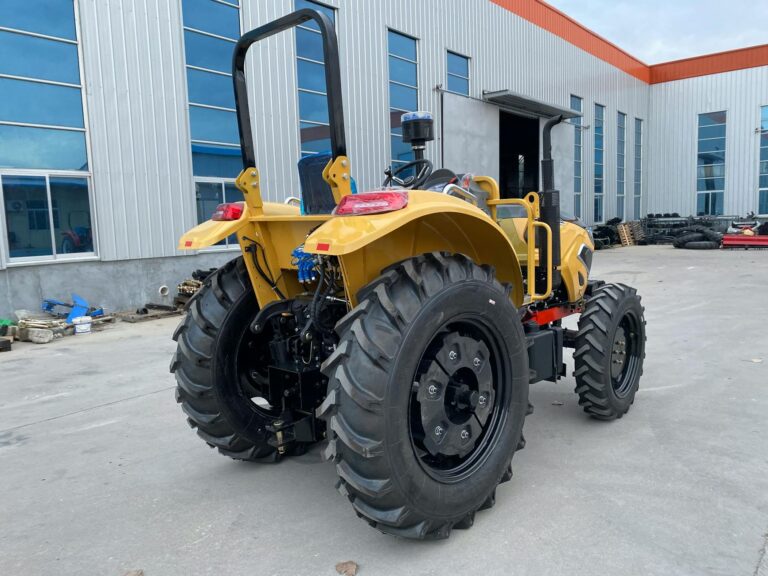
So for an Irish owner the practical answer is: if your vehicle has reverse lights fitted, they must work, show white and switch correctly with reverse gear to pass the NCT or CVRT. Ordinary tractors (design speed 40 km/h or less) do not take a periodic test, but they must be roadworthy on a public road.
In the United States, backup lamps are required on new vehicles under the federal lighting standard FMVSS 108, which dates from the late 1960s. US state inspection rules on reverse lights vary.
Reverse Light Not Working: Find the Fault
Work from the cheapest, most likely cause to the least likely. You need the correct replacement bulb, a test lamp or multimeter, and someone to sit in the car (or a mirror or reflective window behind you).
Safety first: on a manual car, select reverse with the engine off, the ignition on and the handbrake firmly on. On an automatic, keep your foot on the brake and the handbrake on. Never stand behind a vehicle with the engine running in reverse.
Step 1: One Light or Both
- One reverse light out: the bulb, the bulb holder or the wire to that lamp.
- Both reverse lights out: the fuse, the reverse light switch, or the wiring before it splits to the 2 lamps.
- Car has only 1 reverse light: work through every step.
Step 2: Check the Bulb
Remove the bulb from the rear cluster (usually through an access panel in the boot or by unbolting the cluster). Look for a broken filament or a blackened glass. If you are not sure, test it on a known good holder or with a multimeter on continuity. Most reverse lights use a W16W (921) wedge bulb or a P21W (382) bayonet bulb; our guide to W16W 921 bulbs shows how the wedge type fits.
Step 3: Check the Holder and Earth
Green or white corrosion on the contacts is common, especially where the cluster seal has failed. Clean the contacts with fine abrasive paper or a contact cleaner, and make sure the contacts spring back against the bulb. With the ignition on and reverse selected, use a test lamp across the 2 holder contacts. If you have power on the feed but the bulb still will not light, the earth is poor: trace the black or brown earth wire to its earth point and clean it to bare metal.
Step 4: Check the Fuse
The handbook or the fuse box lid shows which fuse protects the reversing lights. On some cars it is shared with other circuits such as the radio, mirrors or the reversing camera, so a related fault elsewhere is a clue. Replace a blown fuse with one of the same rating. If the new fuse blows straight away, there is a short circuit, often a trapped or chafed wire in the tailgate loom or at the cluster.
Step 5: Test the Reversing Light Switch
The reversing light switch is the most common cause when both lights fail together on a manual car. It is a small 2-wire switch screwed into the gearbox casing, usually on the top or side, with a plunger that is pressed by the selector mechanism when reverse is engaged.
- Find the switch (follow the 2-wire plug on the gearbox; the handbook or a workshop manual will show where).
- Unplug it and check the plug and pins for corrosion or oil.
- With the ignition on, bridge the 2 terminals in the plug with a fused jumper wire.
- If the reverse lights come on, the switch is faulty. If they do not, the fault is in the wiring, fuse or lamps.
- To confirm, test the switch itself with a multimeter on continuity: it should be open circuit out of reverse and closed in reverse.
Replacing the switch is usually a matter of unscrewing it and screwing in a new one with a new sealing washer. Some gearboxes lose a little oil when it comes out, so have a tray ready and check the gearbox oil level afterwards.
Automatic Gearboxes and Modern Cars
On many automatics the reverse lights are switched by the gear selector position switch (often called the inhibitor or range switch), which also stops the engine starting in gear. If the reverse lights fail and the car is also reluctant to start in Park, that switch is the prime suspect. On many newer cars the gear position is read electronically and the body control module switches the lamps, so a diagnostic scan may show a fault code.
Step 6: Check the Wiring
The most common wiring breaks are in the rubber gaiter between the body and a tailgate, where the loom flexes every time the tailgate opens, and at the cluster plug. On vans, tractors and trailers, look for chafing on the chassis, rodent damage and corroded connectors. A light that works intermittently, or cuts out over bumps, is usually a wiring or earth fault.
Reverse Lights Stay On
If the reverse lights stay on with the car in other gears, the switch is stuck closed or the feed wire is shorted to a live wire. Unplug the reverse switch: if the lights go out, replace the switch; if they stay on, look for a short in the wiring. Leaving it means a flat battery, a white light dazzling the driver behind, and an NCT fail.
Fixing It and Getting the Retest
Most reverse light faults are cheap to fix. A bulb costs a few euro and takes minutes. A reversing light switch is a modest part, and on many manual cars it is a straightforward screw-in job, although access on some front-wheel-drive cars means working from underneath. Wiring repairs in a tailgate loom take longer.
If your car failed its NCT on a reverse light:
- Fix the fault and book the retest through ncts.ie. Check the current time limit and any retest fee before you go, as these can change.
- For a commercial vehicle that failed the CVRT, the retest must be within 21 days. See cvrt.ie.
- Don’t let the NCT lapse over a small fault: using a car without a valid NCT certificate carries a €60 fixed charge and 3 penalty points.
Replacement reverse lamps and reversing lights for vans, trailers and older vehicles are in our reverse lamps range, and spare blade fuses are in our fuses and fuse holders. Free delivery to Ireland on orders over €150.
Trailer Reverse Lights Not Working
A trailer reverse light needs a feed from the towing vehicle. On a 13-pin socket that is pin 8. A standard 7-pin 12N socket has no reverse pin, so a trailer on a 12N plug alone cannot have working reverse lights without a 12S socket or a separate feed. Check that the tow vehicle’s socket is actually wired for reverse, because many aftermarket towbar kits leave pin 8 unconnected. Our 13-pin trailer plug wiring guide has the full pin chart, and the trailer lights not working guide covers socket and earth faults.
For more on the rules, bulbs and LED upgrades, see our main guide to reverse lights.
Frequently asked questions
Is a reverse light an NCT failure?
Yes. A fitted reversing lamp that does not work, has a defective lens, shows the wrong colour or does not switch with reverse gear is a failure item at the NCT, and at the CVRT for commercial vehicles.
Where is the reversing light switch?
On most manual cars it is screwed into the gearbox casing, with a 2-wire plug. On automatics the reverse lights are usually switched by the gear selector position switch or by the car’s electronics.
Why have both my reverse lights stopped working?
Both lights failing at once points to the fuse, the reversing light switch or the wiring before it splits to the 2 lamps. Two bulbs rarely blow at exactly the same time.
Can I drive with a reverse light not working?
Reverse lights are not used while driving forwards, but a faulty one will fail the NCT or CVRT, and reversing at night without one is harder and less safe for people behind you. Fix it as soon as you can.
What year were backup lights required?
Ireland has no single start date. The 1963 Lighting Regulations limit vehicles to two reversing lamps lit only when reversing, new vehicles are built with them under EU type approval, and fitted reverse lights must work to pass the NCT or CVRT. In the US, they are required on new vehicles under FMVSS 108, which dates from the late 1960s.