Reverse Lights in Ireland: How Many, Reversing Light Bulbs, Rules and the NCT
In this guide
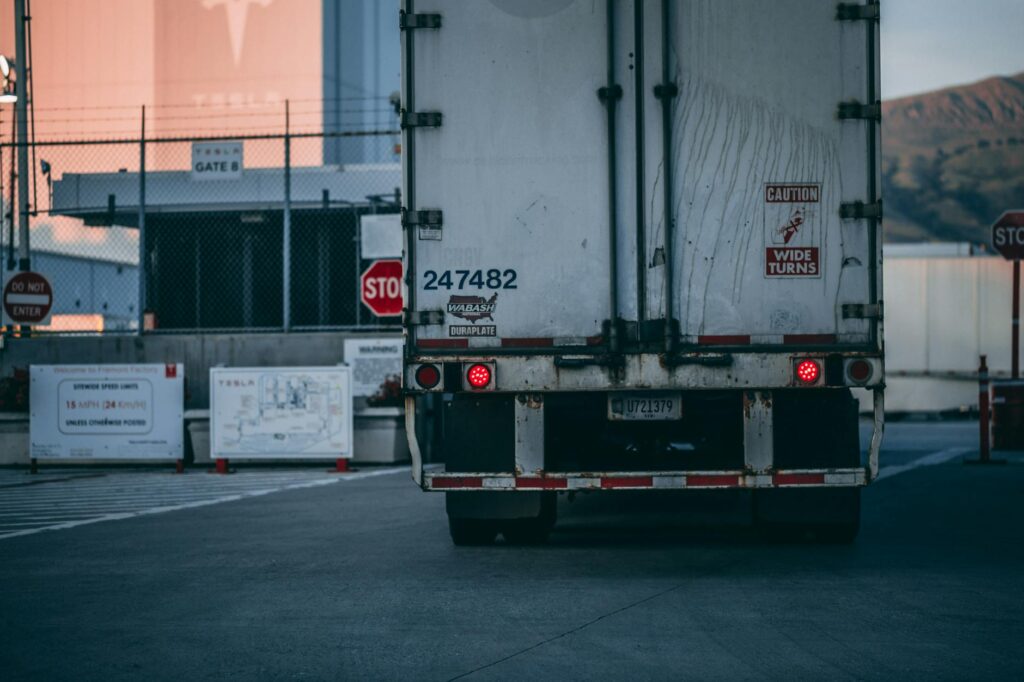
A reverse light (reversing light) is a white lamp at the back of a vehicle that switches on automatically when you select reverse gear. It lights the ground behind you and warns pedestrians and other drivers that you are about to reverse. A car has 1 or 2 reverse lights, and Irish rules allow no more than 2.
This guide covers how a reverse light works, how many a vehicle can have, the Irish rules under the Road Traffic (Lighting of Vehicles) Regulations 1963 and how reverse lights are treated at the NCT and CVRT, the bulbs reverse lights use, LED upgrades, and the extra points that apply to tractors and trailers.
What Is a Reverse Light and How Does It Work
A reverse light (the 1963 Regulations call it a reversing lamp) is a lamp used to light the road to the rear of a vehicle while reversing. It does 2 jobs:
- Lighting: it throws white light onto the ground behind the vehicle so the driver can see where they are going when reversing at night.
- Warning: white light from the back of a vehicle tells everyone nearby that it is in reverse or about to move backwards.
The reverse light is switched by a reverse light switch on the gearbox. On a manual gearbox this is usually a small plunger switch screwed into the gearbox casing, which closes when the selector moves into reverse. On automatics and many modern cars, the gear selector position is read electronically and the body control module switches the lamps. Either way, it is automatic: there is no dashboard switch for a standard reverse light.
The reverse light is white on modern vehicles. All the other rear lamps (tail lights, brake lights and rear fog lamps) are red, and the indicators are amber, so a white light at the back stands out. That is also why RSA guidance bans other rear white lights, such as work lamps, on the road: they can look like an approaching vehicle.
How Many Reverse Lights Can a Vehicle Have
A car has either 1 or 2 reverse lights. The 1963 Regulations (Article 41(3)) allow not more than two reversing lamps. Most modern cars have 2, one in each rear cluster. Some cars have only 1, often on the left-hand side, mirrored by a single rear fog lamp on the right-hand side in a matching cluster.
| Point | Irish position |
|---|---|
| Maximum number of reversing lamps | 2 (S.I. No. 189 of 1963, Art. 41(3)) |
| Colour | White or yellow under the 1963 Regulations; modern approved lamps are white |
| When lit | Only when reversing (Art. 49(4)) |
| At the NCT or CVRT | A fitted reversing lamp that does not work is a failure item |
Modern cars, vans and lorries are built with reverse lights to meet EU type approval. If your car was built with 2, both need to work: RSA guidance is that fitted lamps, including optional ones, must work or the vehicle fails its roadworthiness test.
Irish Rules for Reverse Lights
The main Irish lighting law is the Road Traffic (Lighting of Vehicles) Regulations 1963 (S.I. No. 189 of 1963), as amended. Reversing lamps are one of the exceptions to the general rule (Article 41) that no light may show to the rear except red.
Colour
The 1963 Regulations allow reversing lamps to be white or yellow. In practice, every type-approved reversing lamp on a modern vehicle is white, and a tinted lens or coloured bulb on a white lamp takes it out of its approved form. Stick with white.
Approval Mark
RSA guidance is to replace lamps like for like with type-approved units showing the E or e mark. Approved reversing lamps carry the AR marking. Reverse light bulbs are 16W or 21W, not the 55W or 60W of a headlamp bulb, because the lamp is designed to light the ground close behind the vehicle, not to throw a beam down the road.
Switching
Under Article 49(4), a reversing lamp may be lit only while the vehicle is reversing. A reverse light that stays on in forward gears breaks that rule and dazzles the driver behind.
Position
Mounting height and angles for reversing lamps on type-approved vehicles come from UN ECE Regulation 48, which sets the mounting height of a reverse lamp at 250 mm to 1,200 mm above the ground, facing rearwards. Ireland applies EU type approval in full.
The Rules of the Road also notes that fitting optional lighting is controlled by law, and advises getting professional advice and telling your insurer before adding lamps.
Reverse Lights and the NCT and CVRT
Cars take the NCT and commercial vehicles take the CVRT, both run by the RSA. At both, fitted lamps must work, and a lighting fault is a failure item.
| Check | Likely outcome |
|---|---|
| A reversing lamp does not work | Fail |
| Lens cracked or defective | Fail |
| Lamp loose or likely to become detached | Defect recorded, fail if serious |
| Wrong colour (not white) | Fail |
| Lamp does not come on in reverse, or stays on when reverse is deselected | Fail |
At the CVRT, defects are graded minor, major or dangerous, and a failed vehicle must be retested within 21 days. For the exact NCT checks and retest rules, see ncts.ie.
For a step-by-step fault guide, read our guide to reverse lights not working.
Reverse Light Bulb Types
Most reverse lights use either a W16W (921) wedge bulb or a P21W (382) bayonet bulb. Some use a W21W (582) wedge bulb, and many newer cars have LED reverse lamps built into the cluster.
| Bulb | Trade code | Base | Wattage | Typical use |
|---|---|---|---|---|
| W16W | 921 (also 955; T15 shape) | W2.1×9.5d capless wedge | 16W | Many modern cars, especially compact clusters |
| P21W | 382 | BA15s bayonet | 21W | Older cars, vans, tractors and trailer lamps |
| W21W | 582 | W3x16d capless wedge | 21W | Some modern European cars |
| LED (integrated) | None | Built into the lamp | A few watts | Many cars from the 2010s, LED combination lamps |
“T15” is a name many sellers, especially LED bulb sellers, use for the same capless wedge size, so a box labelled T15, 921 or W16W usually fits the same holder. Our guides to W16W 921 bulbs and P21W 382 bulbs explain each one in detail, and you will find replacements in our standard miniature bulbs range.
How to Find Your Reverse Light Bulb
Check the vehicle handbook first. If you do not have it, take out the old bulb: the code is usually printed on the metal base or the glass. A wedge bulb with no metal cap is a W16W or W21W (the W21W is noticeably larger); a bulb with a metal cap and 2 level pins is a P21W.
Upgrading to LED Reverse Lights
LED reverse lights can give a whiter, brighter light behind the vehicle and last far longer than a filament bulb. There are 2 ways to do it, and they are not equal.
Complete LED Reverse Lamps
A complete LED reversing lamp with an E or e mark (look for the AR marking on approved reversing lamps) is a legal, approved lamp. This is the right way to add or upgrade reverse lights on a trailer, tractor, van or older vehicle. Browse our reverse lamps for universal fitments.
LED Replacement Bulbs
LED bulbs that plug into a holder designed for a W16W or P21W are a grey area. Most are not type approved as a substitute for the filament bulb, so strictly the lamp is no longer as it was approved. RSA guidance says LED bulbs are legal only if type-approved, fitted to a compatible vehicle and not dazzling. A tester will check that the reverse light works and shows white. Choose a pure white bulb, and check the beam is not scattered in a way that dazzles.
CANbus Warnings
Many modern cars monitor bulb current. An LED bulb draws so little that the car may report a “bulb failure” or the light may flicker. CANbus-compatible LED bulbs include a load resistor or driver to stop this. If you fit an add-on resistor, mount it on metal away from plastic, because it gets hot.
Common Reverse Light Faults
A reverse light that will not work usually comes down to 1 of 4 things: a blown bulb, a blown fuse, a faulty reverse light switch, or a wiring fault.
- One light out: almost always the bulb or a corroded holder.
- Both lights out: usually the fuse or the reverse light switch on the gearbox.
- Lights stay on all the time: a reverse switch stuck closed, or a short in the wiring.
- Lights flicker: a poor earth, a loose holder, or an LED bulb on a CANbus car.
The quick test for the switch is to unplug it and bridge the 2 terminals in the plug with a fused jumper wire (ignition on, engine off). If the reverse lights come on, the switch is faulty. The reverse lights not working guide linked above walks through each check in order.
Reverse Lights on Trailers and Tractors
Trailers
Reversing lamps are not on the RSA list of obligatory lamps for agricultural trailers (side lamps, rear lamps, stop lamps, direction indicators and number plate lighting), although many newer trailers are built with one and a reverse light is a real help when backing a trailer into a yard, a shed or up to a silage pit at night. If a reverse lamp is fitted, it must be white, approved, and lit only when reversing, and the 2-lamp limit applies.
The reverse light feed comes through the towing socket. On a 13-pin socket (ISO 11446), pin 8 carries reverse. A standard 7-pin 12N socket has no reverse light pin; the 7-pin 12S auxiliary socket can carry one, but its pin use varies, so check the wiring. Upgrading the tow vehicle and trailer to 13-pin is the neatest answer. Browse our 13-pin plugs and sockets.
Tractors
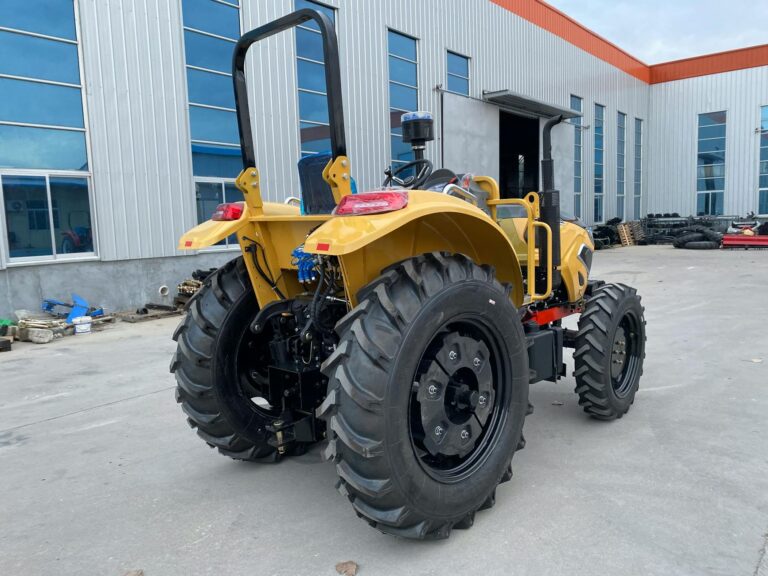
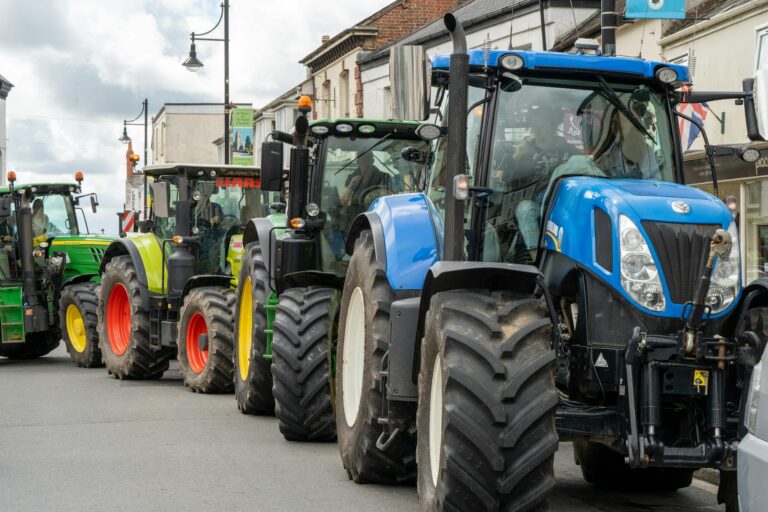
Many modern tractors have rear lamps with a reverse function or rear work lights that can be switched on when reversing. Older tractors often have none. Be careful with rear work lights: RSA guidance is that work or ploughing lamps must be switched off before using the public road, and rear white lights are banned on the road. A work light wired to come on with reverse is still a work light, so keep its use to the yard and field. Adding reversing lights to a tractor also raises questions about wiring to the shuttle or reverse switch. See our guide to tractor reversing lights for the details.
Frequently asked questions
How many reverse lights can a car have in Ireland?
No more than 2, under Article 41(3) of the 1963 Lighting Regulations. Many cars have 2, some have 1.
Is a reverse light an NCT failure?
Yes. A fitted reversing lamp that does not work, shows the wrong colour or does not switch with reverse gear is a failure item at the NCT, and at the CVRT for commercial vehicles.
What bulb is a reverse light?
Usually a W16W (921) wedge bulb or a P21W (382) bayonet bulb, sometimes a W21W (582). Check the handbook or the old bulb, because the bases are not interchangeable.
What colour must reverse lights be?
The 1963 Regulations allow white or yellow, but modern approved reversing lamps are white, and a coloured bulb or tinted lens in a white lamp is likely to fail the NCT. Use white.
Why are both my reverse lights not working?
When both go at once, suspect the fuse or the reverse light switch on the gearbox before the bulbs. Check the fuse first, then bridge the switch plug to test the switch.